A Legacy of Love, Service, and Empowerment

From a humble prayer circle in 1875 to a city-wide movement for justice.
Discover a century and a half of uplifting women and transforming Mumbai.
The Genesis (1875)

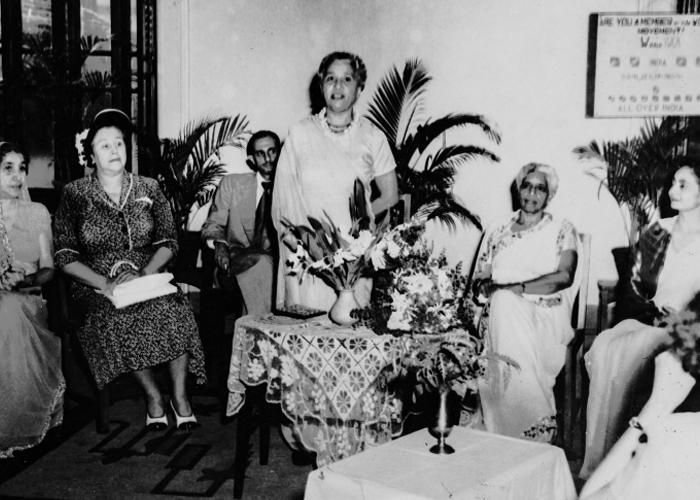
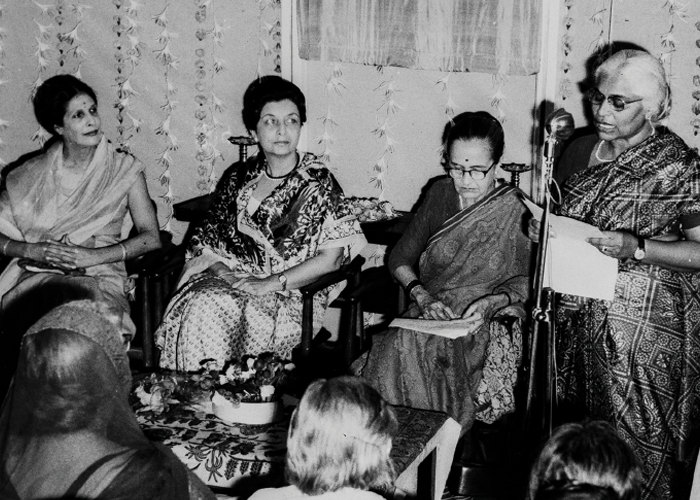
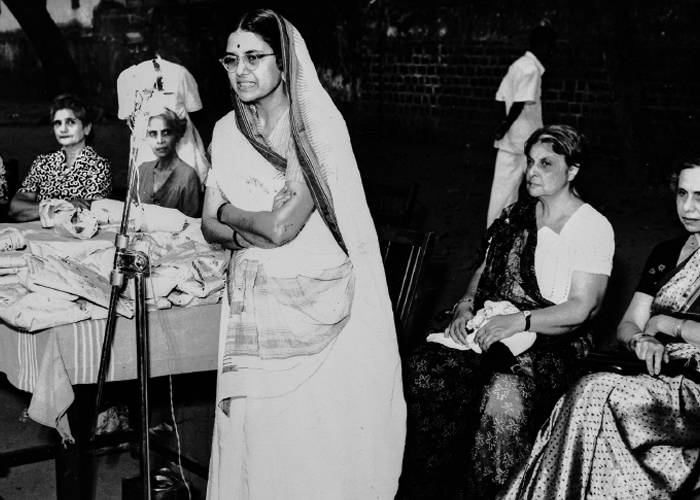
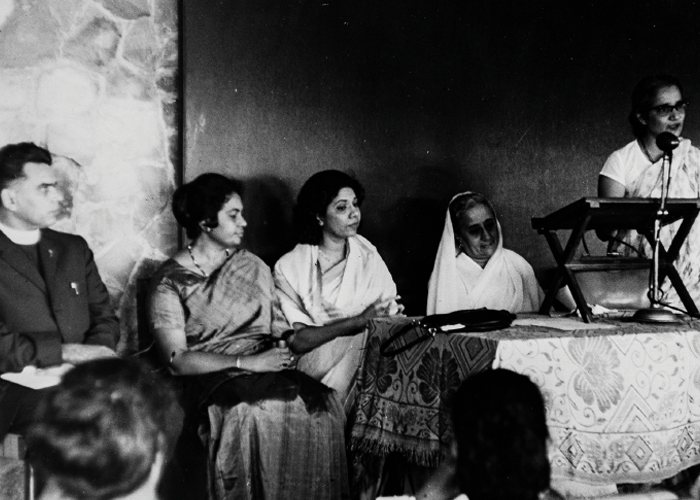
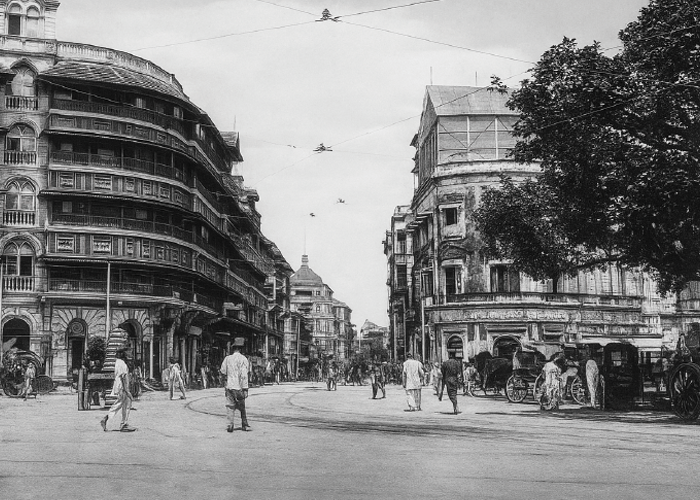
What began without a permanent roof soon became a fortress for women’s rights. Meeting in rented spaces across Dhobi Talao and Byculla, these pioneers launched the “Pillow Mission”- bringing comfort and solidarity to hospital wards. It was the humble start of a city-wide revolution in care.

The Founders

Lady Mary Jane Kinnard (Co-Founder, YWCA Movement): A pioneer of the global movement, her vision for supporting young women through the “Kinnard” clubs laid the groundwork for our international sisterhood.

Emma Robarts (Co-Founder, YWCA Movement): Her dedication to spiritual support and fellowship helped define the “Body, Mind and Spirit” philosophy that the YWCA carries forward to this day.

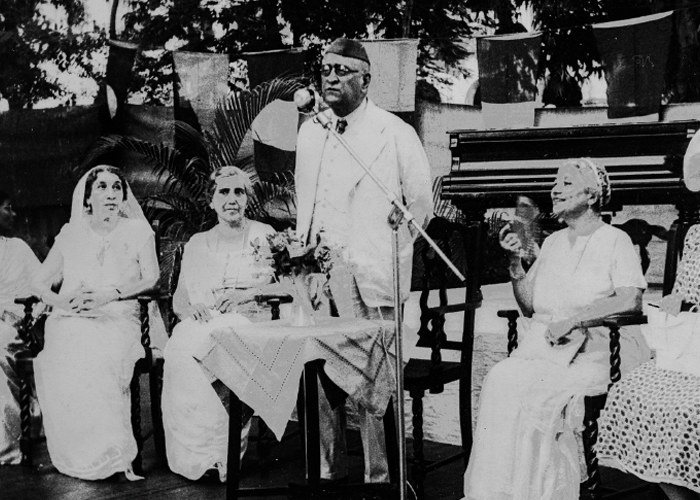
Eliza McRitchie (Founder, YWCA of Bombay): In 1875, she established the YWCA of Bombay with a small group of like-minded women to provide safe lodging, prayer and fellowship for traveling nurses and young working women. Along with her, Mary Sorabji, Mary Vitters and Henriette Butt set the foundation for YWCA Bombay.
The Jubilee

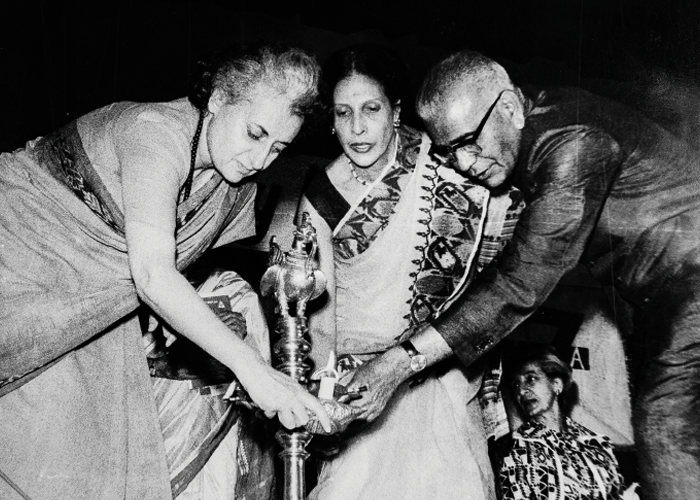
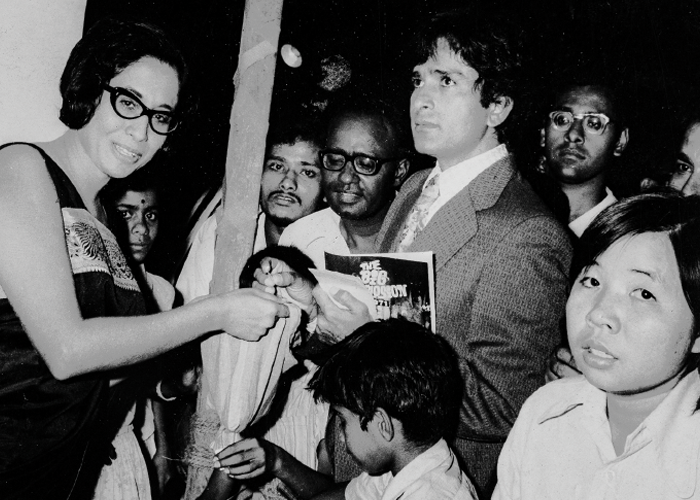
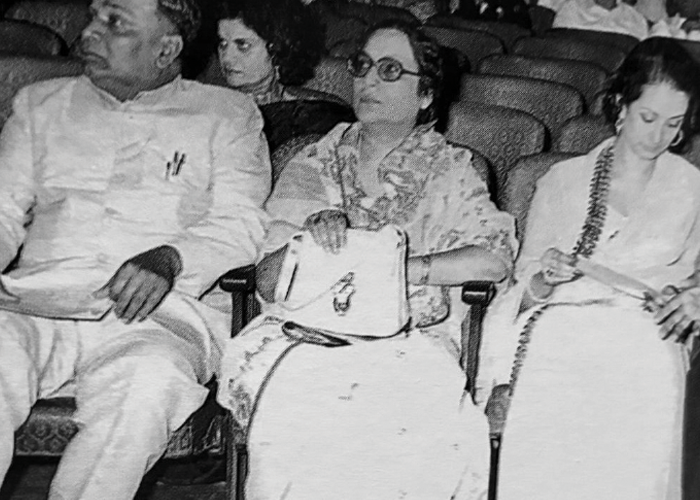
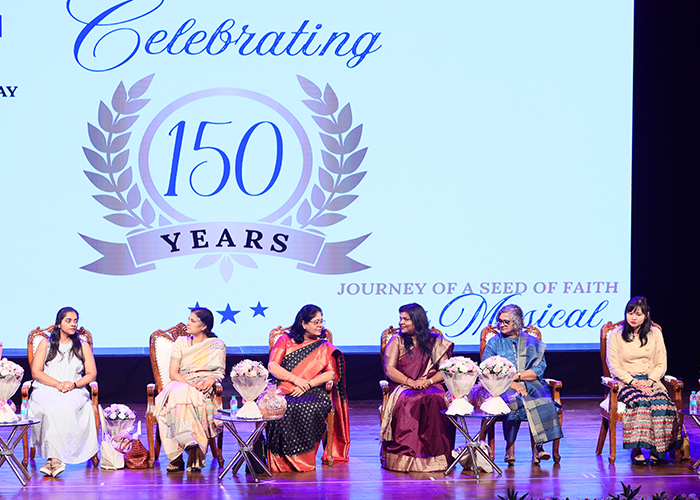
Celebrating 150 Years
1875 – 1885

  • YWCA of Bombay founded by Eliza McRitchie and others to support women through safe lodging, prayer and fellowship.
  • Early activities served traveling nurses and young working women.
  • First office established at Dhobi Talao.
1886 – 1895

  • Ties with churches and women’s groups strengthened.
  • Programmes expanded to include training and Bible study.
  • National YWCA of India formed in Calcutta with Bombay playing a key role.
1896 – 1905

  • Lady Willingdon Hostel foundation stone laid (1900) – the oldest women’s hostel in Mumbai now.
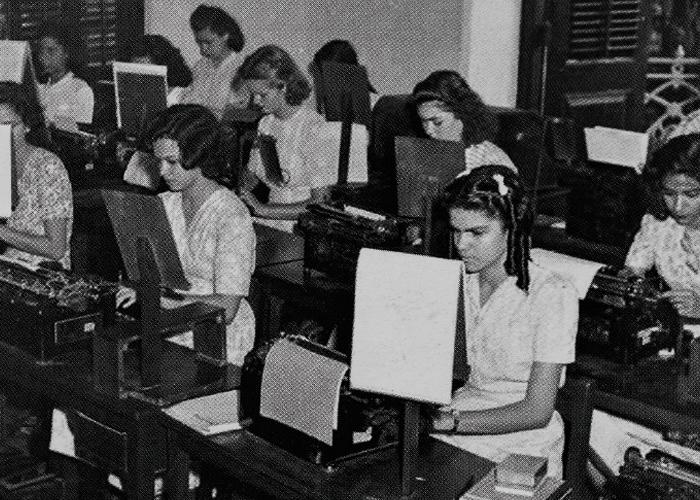
  • Commercial School launched - offering shorthand, typing and bookkeeping courses.
  • National YWCA headquarters shifted to Bombay.
1906 – 1915

  • Clubs like Kinnard and Pansy for Indian and European women launched.
  • Army and Indian Nurses Clubs begun.
  • Student and youth outreach, Girl Guides movement and Employment Bureau initiated.
1916 – 1925

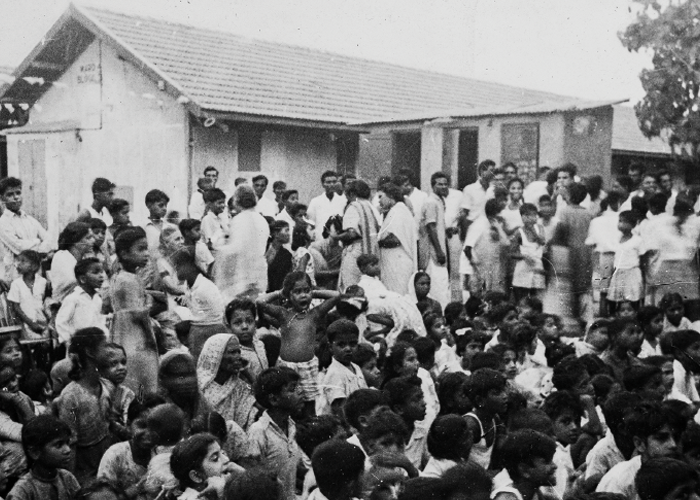
  • Vernacular outreach and education for women and girls strengthened.
  • Byculla emerged as a hub for the YWCA of Bombay’s services.
  • Blue Triangle Club established for Indian Christian women (1924).
1926 – 1935

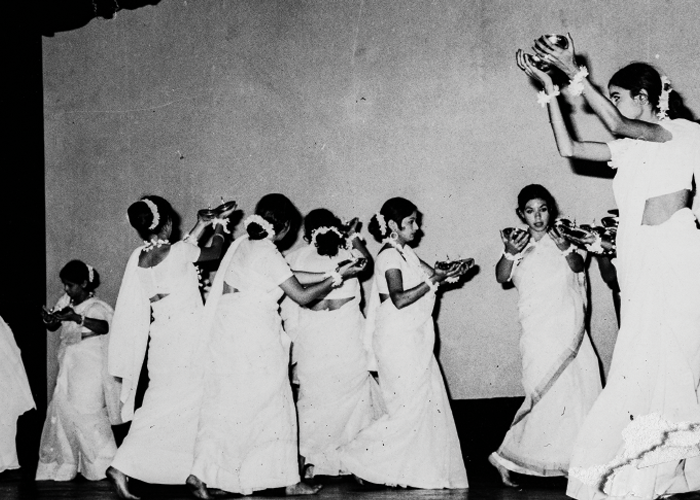
  • Cultural activities flourished – Photography, Glee Club and Juhu Youth Camps.
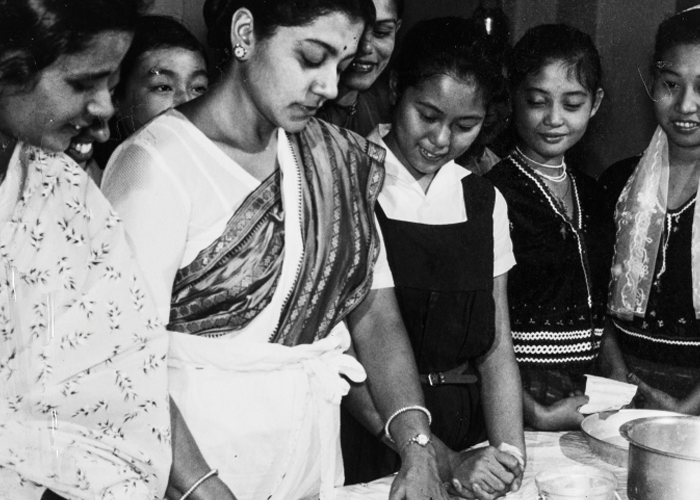
  • Classes in cooking, music and tailoring expanded.
  • Library and educational departments served hundreds annually.
1936 – 1945

  • WWII relief support – first aid and nursing training – launched
  • Cultural and social clubs like Kingsway and East-West Club activated
  • Mitra Sangh Club launched for Indian Christian women in 1945.
1946 – 1955

  • Byculla Hostel opened (1947).
  • Lady Willingdon Hostel became central to post-war services.
  • Annual Blue Triangle Week fundraising grew in impact.
1956 – 1965

  • Vocational training and leadership development strengthened.
  • Hostel expansions and land acquisition plans laid for future centers.
  • Literacy and Employment Coaching programmes introduced.
1966 – 1975

  • Lady Willingdon Hostel celebrated its Platinum Jubilee.
  • Nutrition Education and Bakery Training for vulnerable women initiated.
  • Centenary celebrations of the YWCA movement worldwide.
1976 – 1985

  • Shift from Club-based to grassroots community development.
  • Vocational and child welfare programmes expanded.
  • Asha Kiran project (Andheri) planning initiated.
1986 – 1995

  • Women’s Development Unit (WDU) launched – focusing on vocational training, legal aid and early childhood care(1988).
  • Advocacy for women’s rights strengthened.
  • International Centre and Asha Kiran Complex planning began.
1996 – 2005

  • Asha Kiran Complex inaugurated.
  • WDU programmes reach 700+ women annually.
  • Skills development and post-liberalisation Employment Programmes introduced.
2006 – 2015

  • Community-based programmes expanded in Navi Mumbai and Andheri.
  • Asha Kiran, Achamma Bhavan and Anugraha Hostels became centers of women empowerment.
  • Senior citizen care, legal literacy and documentation focuses increased.
2016 – 2025

  • COVID relief and transition to digital training models.
  • Structural repairs done: Lady Willingdon Hostel, Anugraha Hostel, Asha Kiran Complex, International Centre.
  • Mental Health projects, Women’s Circle by ASARA and PIYA launched.
  • 150-year project Y-CASP – addressing the skill gap in the job market.
  • ‘Safety of Women in Public Places’ – launched in collaboration with other NGOs.
  • 2025: Celebrating 150 years of service through events, publications and community engagement.

Celebrating

150 years
150 Years of Faith, Courage and Service

Since 1875, the YWCA of Bombay has stood as a watchtower for women’s rights and empowerment in the heart of Mumbai. This year, we celebrate a century and a half of resilience- honoring the extraordinary women who shaped our journey and the young leaders who continue to define our future. From our humble beginnings at Dhobi Talao to our modern-day community transformations, experience the milestones that have defined our sisterhood.